
Tuscany Cuisine · Ingredient Story
Stoccafisso or Baccalà?
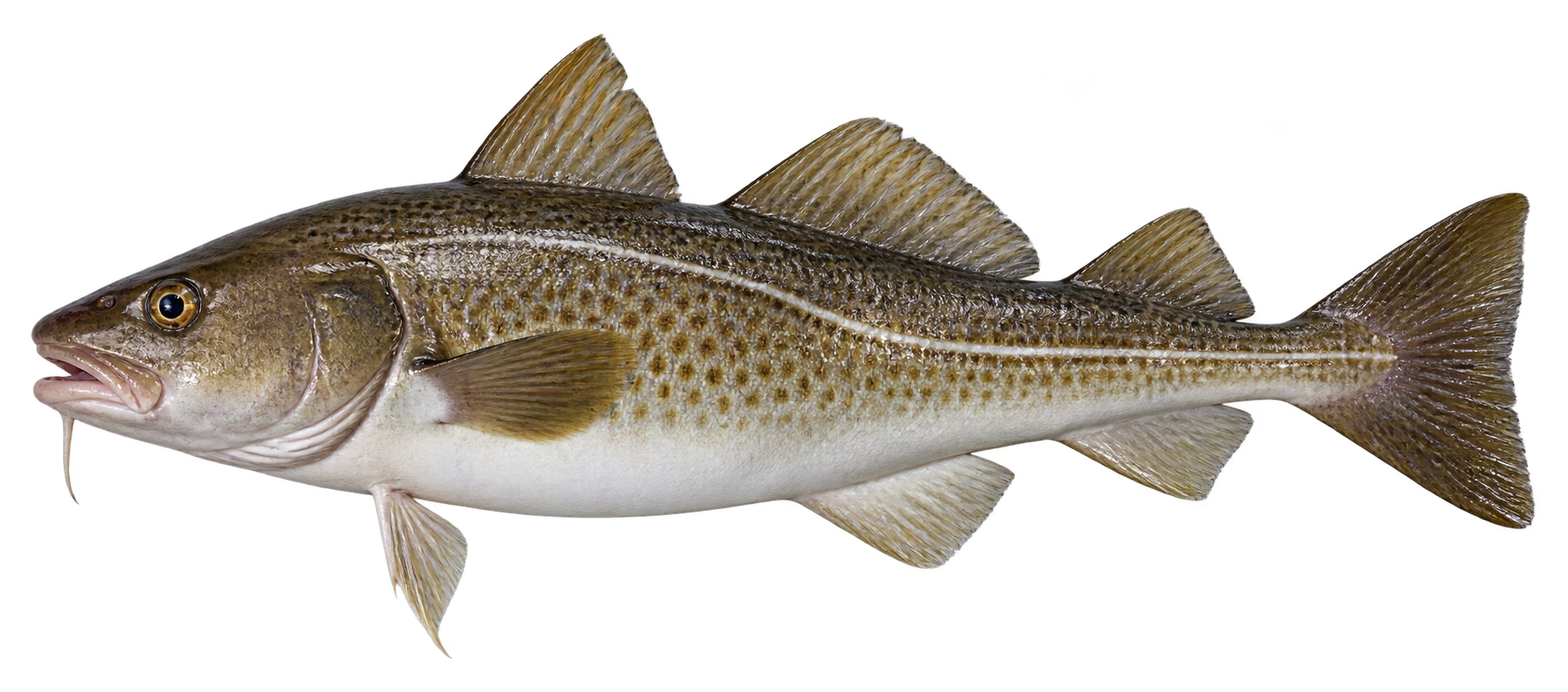
Two preserved forms of cod shaped by northern air, salt, trade and centuries of Italian cooking. They share a fish, but not the same preservation method, flavor, texture or preparation.


The essential distinction
One fish, two preservation methods
In Italian kitchens, especially in Tuscany, stoccafisso and baccalà are sometimes discussed together. They are not the same product. The preservation method changes seasoning, texture, preparation time and recipe yield.
What is stoccafisso?
Stoccafisso is cod naturally air-dried in cold northern conditions, traditionally associated with Norway. It is preserved without salt. Before cooking, the hard dried fish must be slowly rehydrated. Once properly prepared, it becomes tender and flaky with a clean, concentrated flavor.
What is baccalà?
Baccalà is cod preserved with salt. The cure produces a firm, savory fish that must usually be soaked to remove excess salt before cooking. Some suppliers also sell already-desalted baccalà, so the product label and specification always matter.
From northern wind to Italy
A preservation history created for travel
- Before refrigerationCold, wind and low humidity allowed northern fishing communities to remove moisture from cod. The dried fish became lighter, durable and practical for storage and long journeys.
- Medieval European tradeStockfish was already moving through European markets centuries ago. Northern ports connected Arctic fisheries with the rest of Europe.
- 1432 · Pietro Querini and RøstAfter a shipwreck, Venetian merchant Pietro Querini and surviving crew reached Røst in Norway’s Lofoten islands. His written account gave the route a lasting connection with Venice and Italian culinary memory. Stockfish existed long before his arrival.
- Salt cod expandsSalt curing—and, in some traditions, salting followed by drying—made whitefish transportable across Iberia, the Mediterranean, Africa, the Caribbean and the Americas.
- An imported fish becomes local cuisineItalian regions transformed preserved cod with their own olive oil, tomato, onions, milk, potatoes, chickpeas, herbs and peppers.
Tuscan culinary traditions
Rustic ingredients, careful preparation
Fishermen and merchants brought preserved fish inland, where it became valuable food for fasting days, festive meals and family cooking. Tuscany embraced both products in dishes that balance the strong identity of the fish with olive oil, tomato, onion, legumes, potatoes and seasonal greens.
Light stews
Chickpeas, white beans, potatoes, olive oil and delicate sauces support its clean, concentrated flavor.
Braises and frying
Tomato, rapini, onions, capers and polenta balance its firm texture and savory depth.
Precise technique
Gentle poaching, sous vide finishing, mousses and quenelles can present these traditional products with refined texture.
Nutrition reference
Cod is lean—preservation changes the values
Fresh Atlantic cod is a lean source of protein and selenium. NOAA Fisheries lists these representative values per 100 grams of uncured Atlantic cod:
Professional preparation
Rehydrate or desalt under refrigeration
Remove excess salt gradually
Place the fish in potable cold water inside a covered food-safe container under refrigeration. Change the water regularly. Many dry-salted products require approximately 24–48 hours or longer, depending on thickness and cure. Follow the supplier’s instructions and taste before adding salt to the recipe.
Restore moisture slowly
Rehydrate the hard dried fish under refrigeration with clean water changes. The process often takes several days and varies by grade, size and thickness. Once hydrated, handle it as highly perishable fish.
Recipes to try
Traditional flavors and modern presentation
Stoccafisso vs. Baccalà at a glance
| Feature | Stoccafisso | Baccalà |
|---|---|---|
| Preservation | Air-dried cod, without salt | Salt-cured cod |
| Flavor | Clean, concentrated, subtle sweetness | Intense, savory, robust |
| Texture | Hard when dry; tender and flaky after rehydration | Firm and meaty; can become creamy when worked with oil |
| Preparation | Rehydrated under refrigeration, often for several days | Soaked under refrigeration to remove excess salt |
| Tuscan use | Light stews, chickpeas and modern sous vide dishes | Tomato braises, rapini, frying, mousses and polenta |
| Platform record | FISH-COD-STO-003 | FISH-COD-BAC-002 |
Research and further reading
- NOAA Fisheries — Atlantic Cod species and nutrition facts
- Norwegian Seafood Council — Cured Norwegian fish across the globe
- Tuscany Cuisine Culinary Academy — Cod, Baccalà and Stoccafisso
Nutrition and fisheries information can change. Review current source data and the supplier specification when making nutrition, purchasing or food-safety decisions.


No comments:
Post a Comment